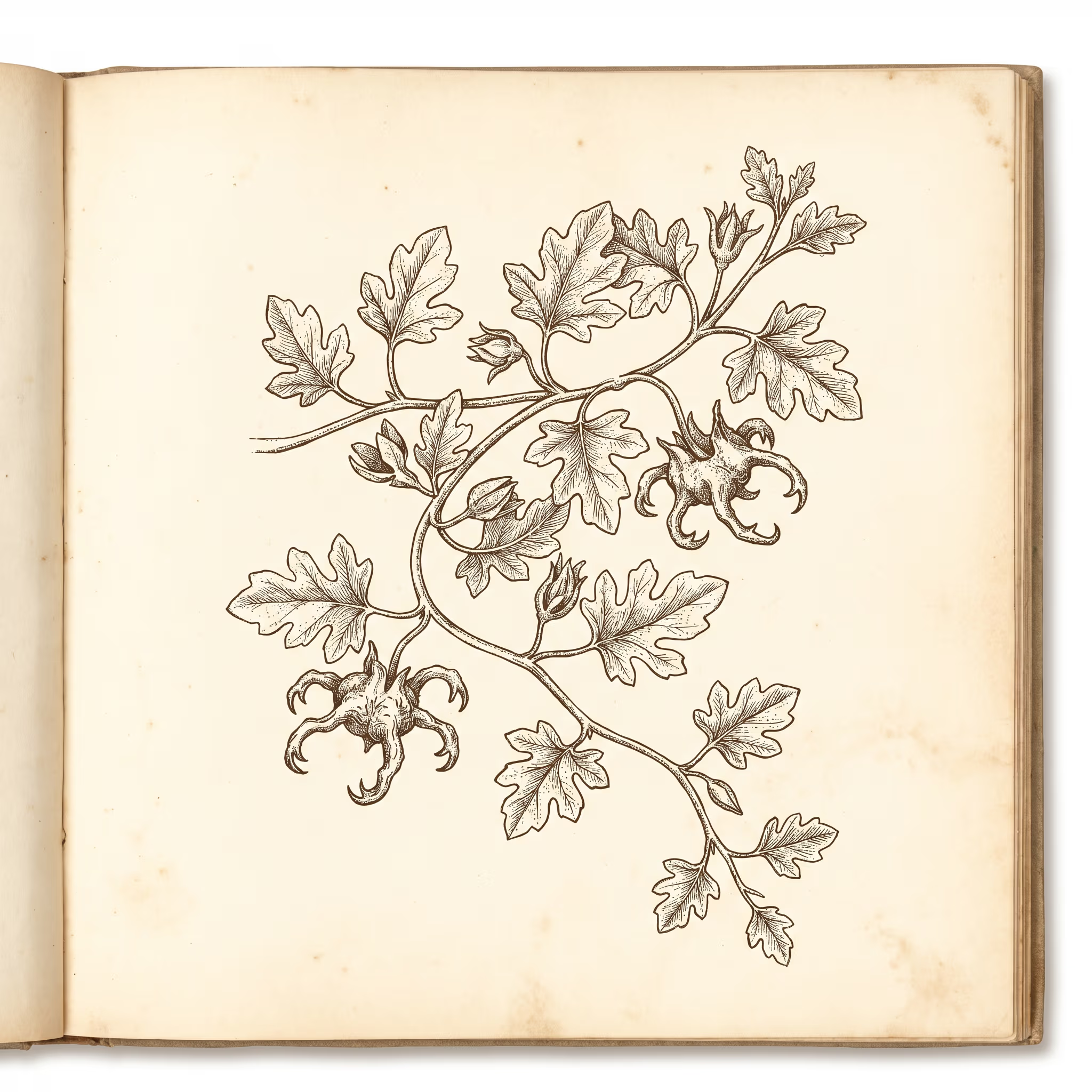
Devil's Claw
Harpagophytum procumbens
Anti-inflammatory phytochemical, traditionally used for joint discomfort
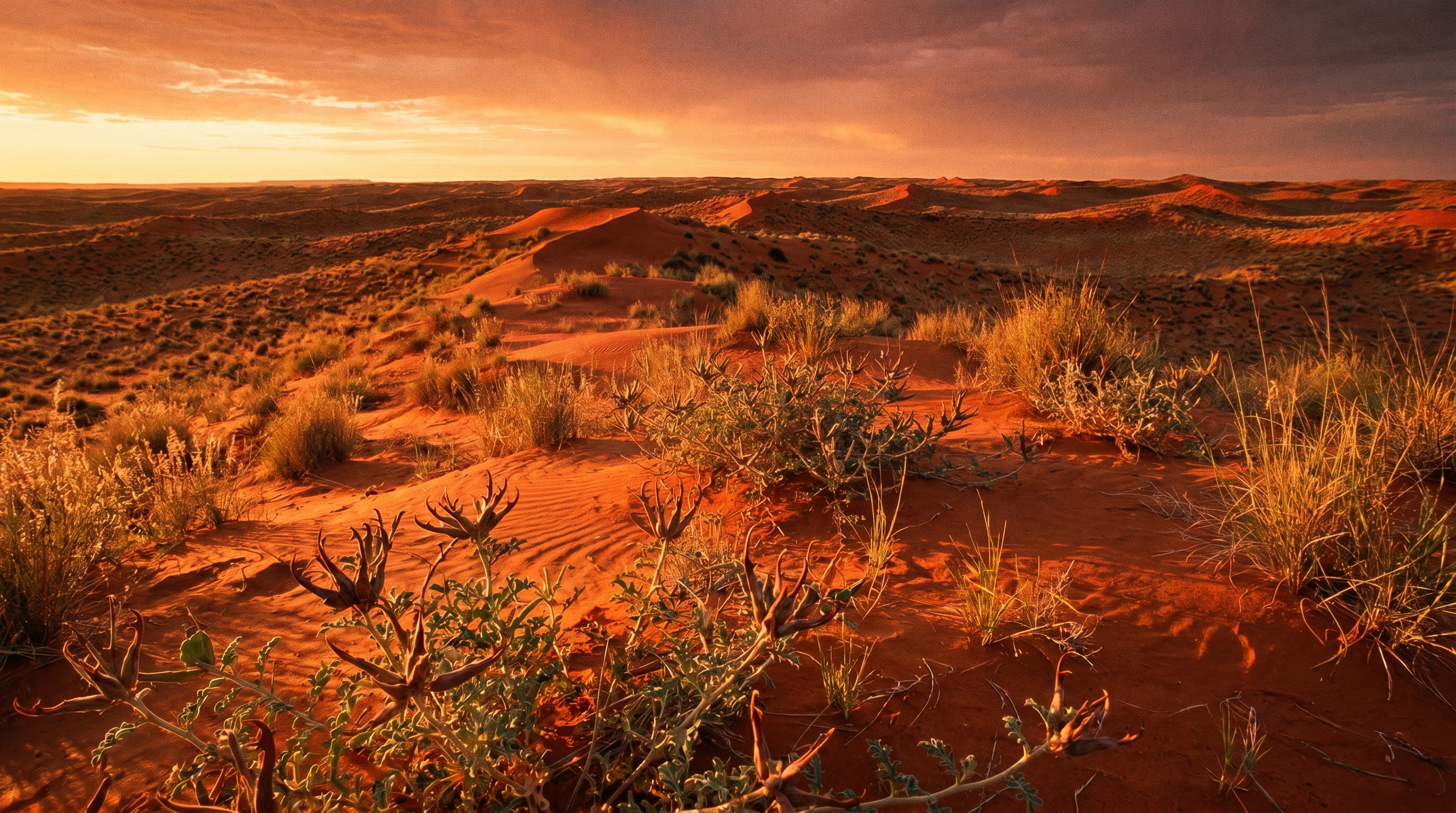
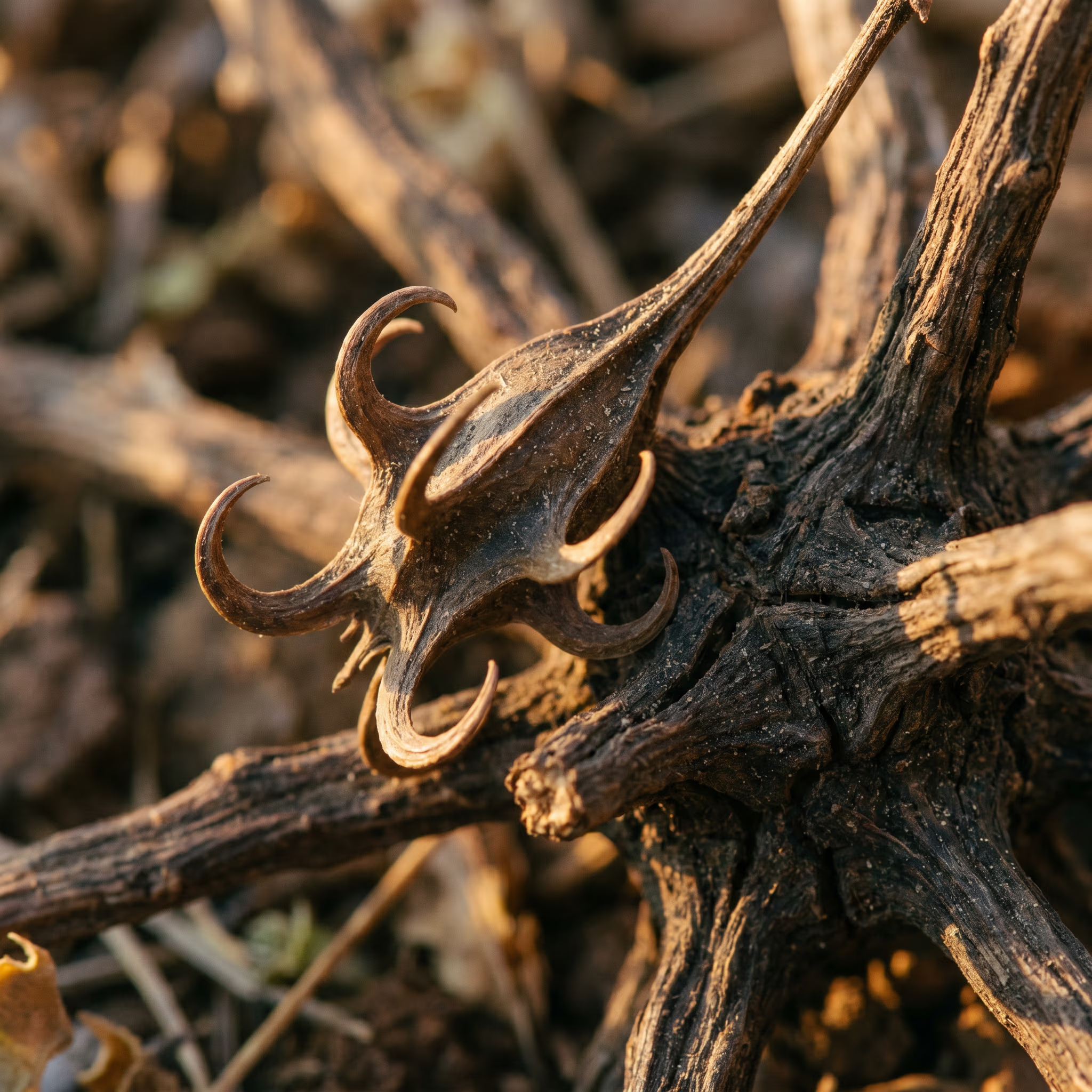
Devil's claw takes its name from the small, hooked seed pods of the plant. The medicinally-active part is the secondary tuber, which is dried and processed for both topical and oral preparations. The plant is found across the Kalahari Basin, with traditional medicinal use among the San and Khoisan peoples extending back centuries.
The traditional knowledge surrounding devil’s claw is held primarily by Khoisan and San communities in Namibia and Botswana. The Nagoya Protocol explicitly requires benefit-sharing with traditional knowledge holders for ingredients of this kind. Our supplier, Afriplex in Paarl, has formal benefit-sharing agreements in place.
The science
The active compound is harpagoside, an iridoid glycoside present at 1–2% in well-harvested root material. A 2003 *Phytomedicine* clinical trial showed meaningful pain reduction in chronic lower back conditions with oral administration; topical formulations are less well-studied but the harpagoside fraction is credibly absorbed through skin in a balm vehicle.